North Warren Nature Reserve - Heath Trail
Friday, 13 March 2026
|
No comments
|


Short waymarked trail around the heathland of the North Warren Nature Reserve
This short 1 mile waymarked trail guides the visitor around the heathland at RSPB North Warren. This is part of the historic Suffolk Sandlings landscape and represents a rare example of lowland heath on the Suffolk coast. Characterised by heather, gorse and acid-tolerant grasses, this open habitat supports specialised wildlife, including heathland birds such as woodlark and nightjar as well as a variety of insects. The heath forms an important part of the diverse ecosystems within the Suffolk Coast and Heaths Area of Outstanding Natural Beauty.

Walk Statistics
- Start location: North Warren
- Distance: miles ( km)
- Total Gain: ft ( metre)
- Total Descent: ft ( metre)
- Min Height: ft ( metre)
- Max Height: ft ( metre)
- Walk Time:
- Walk Grade: Easy
- Terrain: Footpath

Maps:
The following maps and services can assist in navigating this route. There are links to printed maps and links to downloadable GPX route data for importing into navigational software and apps.
- Ordnance Survey Explorer Map
- OS Explorer 212 - Woodbridge & Saxmundham
- GPX Route File
Walk Notes
RSPB North Warren is a coastal nature reserve on the Suffolk Sandlings, just north of Aldeburgh. Covering roughly 4.4 km², the reserve forms a mosaic of habitats including grazing marsh, reedbeds, woodland and lowland heath. Among these, the heathland is particularly significant, representing a surviving fragment of the once extensive Sandlings heaths that historically covered much of the Suffolk coast.
Heathland Landscape
The heathland at North Warren consists largely of dry, sandy soils supporting lowland heath and acid grassland. Vegetation is typically sparse and open, shaped by nutrient-poor conditions and coastal winds. Heather (Calluna vulgaris) forms scattered patches across the heath, interspersed with grasses such as sheep’s-fescue (Festuca ovina) and common bent (Agrostis capillaris). Areas of sand sedge (Carex arenaria) stabilise the sandy ground, while bracken (Pteridium aquilinum) and scrub species such as gorse (Ulex europaeus and Ulex gallii) create dense clumps across the landscape.

This open mosaic of grasses, heath and scrub provides important structural diversity. Bare sandy patches, lichens and mosses are common, reflecting the dry and nutrient-poor character of the habitat. Together these features create ideal conditions for specialised heathland plants, including sheep’s sorrel (Rumex acetosella), lady’s bedstraw (Galium verum), and the nationally scarce mossy stonecrop (Crassula tillea).
Heathland Wildlife
The dry, open structure of the heathland makes it an important habitat for specialist birds and insects. Ground-nesting birds such as woodlark and Dartford warbler are characteristic species of Suffolk heathland and are regularly recorded within the reserve. In summer, the eerie churring of nightjars may also be heard on warm evenings, while stonechats and yellowhammers perch on gorse and scrub.

Birds of prey frequently hunt above the heath and surrounding marshes. Marsh harriers are a regular sight gliding over the reserve, while hobbies pursue dragonflies across open areas during the summer months.
The heathland also supports a range of invertebrates. Butterflies and dragonflies are abundant in warmer months, benefiting from the diverse plant communities and warm microhabitats created by sandy soils. Notable species recorded at the site include the silver-studded blue butterfly, a species closely associated with lowland heath habitats.
Mammals and Wider Wildlife
Although birds dominate the wildlife interest, the reserve also supports a variety of mammals. European otters and water voles inhabit the wetter parts of the reserve, while badgers, rabbits and deer such as muntjac or red deer may be seen moving between heath, woodland and marsh habitats.

Ecological Importance
The heathland of North Warren forms part of the wider Suffolk Sandlings ecosystem, a nationally important landscape of lowland heath that has declined significantly over the past century. Remaining fragments such as those at North Warren are therefore valuable for biodiversity, providing refuge for rare plants, specialist birds and a rich community of insects adapted to dry, sandy soils.
Together with the reserve’s marshes and reedbeds, the heathland contributes to a diverse coastal ecosystem where habitats merge from dry sandy heath to freshwater wetlands and shingle shore. This variety of environments supports an exceptional range of wildlife, making North Warren one of the most important nature reserves on the Suffolk coast.

Public Access and Visitor Routes
North Warren is open to the public all year-round, with a network of footpaths allowing visitors to explore the reserve while protecting sensitive habitats. Access is primarily on foot, and many routes form part of the coastal walking network. One of the main approaches to the reserve is via the Suffolk Coast Path, which runs along the coast between Aldeburgh and Thorpeness and passes close to the reserve boundary. Similarly, a permissive path runs along the former trackbed of the Aldeburgh branch line provides key access to the reserve.
The walk described on this page is specifically around the heath section of the reserve. For a longer walk this can be incorporated into Aldringham Fen Walk which circles around the reedbed area of the reserve.
The reserve includes several viewing areas and birdwatching hides overlooking the marshes and lagoons, which allow visitors to observe wildlife without disturbing it. These facilities are particularly popular with birdwatchers during migration periods and winter when large numbers of wildfowl and wading birds gather on the wetlands.

Threat from the Sea Link Energy Project
A major potential threat to RSPB North Warren is the proposed Sea Link electricity interconnector, a large infrastructure project being developed by National Grid. Sea Link is designed to strengthen Britain’s electricity network by linking the Suffolk coast to Kent with a high-voltage power cable. The scheme would run mostly offshore but would make landfall on the Suffolk coast between Aldeburgh and Thorpeness before continuing underground to a converter station inland.
The project aims to carry electricity generated from renewable sources, particularly offshore wind farms in the North Sea, helping distribute low-carbon energy across the UK. However, conservation groups and local authorities have raised concerns that the proposed landfall location could directly affect sensitive habitats at North Warren.

Potential Environmental Impacts
One of the main concerns is that the proposed cable route could pass through parts of the North Warren reserve and the surrounding Leiston–Aldeburgh Site of Special Scientific Interest (SSSI). This area has been protected for its wildlife since 1939 and supports important habitats such as grazing marsh, reedbeds, heathland and coastal wetlands.
Construction of the cable would require significant engineering work, including drilling or trenching to install the cables underground. Conservationists warn that this could disturb wildlife, damage fragile habitats and disrupt the management of the reserve. North Warren supports large numbers of wintering wildfowl and breeding birds, including species such as bittern and marsh harrier, and disturbance during construction could affect their feeding and nesting areas.

There are also concerns about nearby internationally protected habitats. The cable route could run close to the Sandlings Special Protection Area, which provides important breeding habitat for heathland birds such as woodlark, nightjar and turtle dove. Construction activity and increased human presence could lead to habitat loss or disturbance for these sensitive species.
Wider Concerns and Debate
Local conservation organisations and councils have argued that infrastructure projects along the Suffolk coast should avoid sensitive nature reserves wherever possible. Some believe alternative routes or locations should be explored to reduce the risk to protected habitats.
At the same time, supporters of the project emphasise its importance for the UK’s energy transition. The Sea Link interconnector forms part of the national upgrade to electricity infrastructure needed to carry renewable energy across the country and improve energy security.
Balancing Energy and Conservation
The debate around Sea Link highlights the challenge of balancing environmental protection with the need for new energy infrastructure. While renewable energy projects are essential for reducing carbon emissions, conservation groups argue that development should avoid areas of high ecological value such as North Warren.
As the planning process continues, organisations such as the Royal Society for the Protection of Birds are working to influence the proposals and reduce potential impacts on wildlife if the project goes ahead.
Conclusion

RSPB North Warren is one of the most important nature reserves along the Suffolk coast, supporting a rich mosaic of habitats including grazing marsh, reedbeds, woodland and lowland heath. These habitats provide ideal conditions for a wide range of flora and fauna, from specialised heathland plants and insects to internationally significant populations of wetland birds. The reserve’s location within the Suffolk Coast and Heaths Area of Outstanding Natural Beauty highlights its landscape and ecological importance, while public footpaths such as the Suffolk Coast Path allow visitors to experience the area’s wildlife and scenery.
However, despite its protected status, North Warren faces potential pressure from large infrastructure projects such as the proposed Sea Link electricity interconnector. While the development aims to support the UK’s transition to renewable energy, conservation groups have raised concerns about the possible impacts of construction on fragile habitats and sensitive wildlife. This situation highlights the ongoing challenge of balancing environmental protection with the need for national energy infrastructure.
Overall, North Warren remains a vital refuge for wildlife and an important natural landscape for both conservation and public enjoyment. Continued protection and careful management will be essential to ensure that the reserve’s heathland, wetlands and coastal habitats remain intact for future generations.

Directions
Access to the heath can be found at two locations:
- On the B1122 Aldeburgh to Aldringham road See location on map, where there is a track between the houses that leads to a small car parking area.
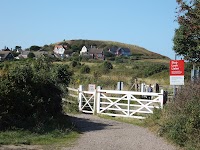
- From the permissive path along the former Aldeburgh railway branch line See location on map. Take the footpath away from the railway path, following the Sandlings waymarkers. this will lead around the southern side of the fens, and the heath is on the right with an access gate where a cross of footpaths meets.
The trail is marked out with distinctive waymarkers. Follow these around the heath.
Route Validation Cards
Validation Date - 10/03/2026
- Time of Walk: 08:00:00 to 09:00:00
- Validators: Griff
- Weather Conditions: Overcast
- Notes: Initial route undertaken
Validation Date - 2026-08-11
- Time of Walk: 08:00 to 11:00
- Validators: Griff
- Weather Conditions: Sunny day and warm
- Notes: Horses on the heath
Summary of Document Changes
Last Updated: 2026-09-08
- 2026-03-13 : Initial publication
- 2026-08-11 : Added new validation of route






0 comments:
Post a Comment